
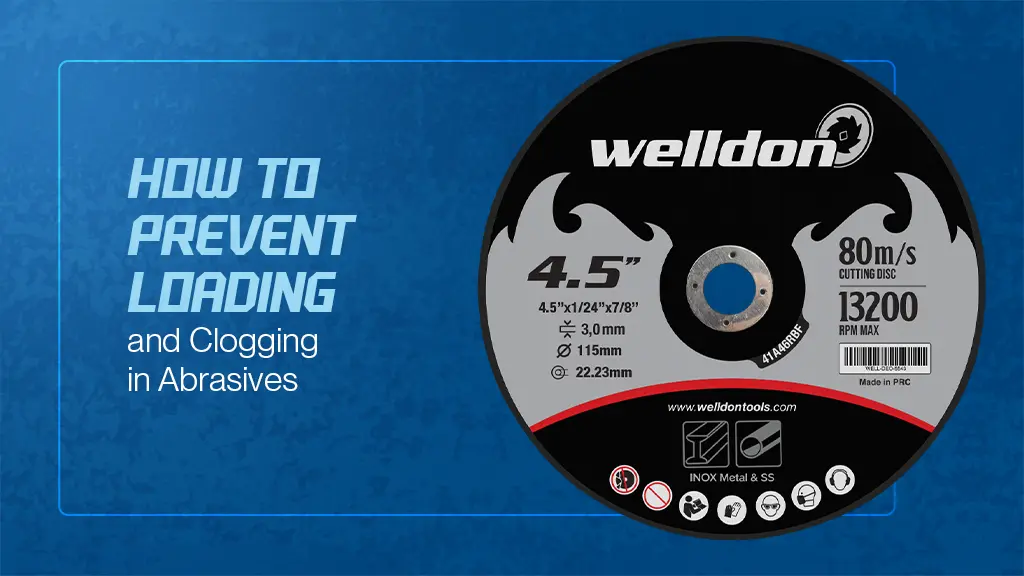
Abrasives are designed to cut, grind, sand, and finish materials efficiently—but when loading and clogging occur, performance drops fast. Whether you’re working with aluminum, wood, paint, soft metals, or coated surfaces, abrasive loading can turn a productive job into a frustrating, expensive process.
If your grinding disc suddenly starts smearing instead of cutting, your sanding disc leaves burn marks, or your abrasive surface looks smooth and glazed, loading and clogging are likely the problem.
For industrial users, fabricators, welders, woodworkers, and maintenance professionals, learning how to prevent abrasive loading is essential for maximizing performance, extending abrasive lifespan, and reducing costs.
The right abrasive clogging solutions can help you work faster, cooler, and more efficiently—without constantly replacing discs.
Why Abrasive Loading and Clogging Kill Performance
Loading and clogging happen when material debris builds up on the abrasive surface, blocking cutting grains and reducing efficiency.
Common Materials That Cause Abrasive Loading:
- Aluminum
- Copper
- Paint
- Wood resin
- Plastic
- Soft metals
- Coated surfaces
These materials often smear, melt, or stick during grinding and sanding, especially when heat builds up.
Hidden Costs of Abrasive Loading:
Reduced Cutting Speed
As abrasive grains become blocked, cutting power decreases.
Increased Heat
Blocked abrasives create friction instead of cutting.
Poor Surface Finish
Loaded abrasives can smear material, leaving rough or burnt surfaces.
Shorter Abrasive Life
Discs wear out faster when clogged.
More Frequent Replacement Costs
Premature abrasive failure increases operating expenses.
Preventing loading is often far more cost-effective than replacing discs repeatedly.
Understanding Loading vs Clogging
While many people use these terms interchangeably, they are slightly different.
Loading:
Material buildup begins between abrasive grains, reducing cutting ability.
Clogging:
The abrasive surface becomes heavily blocked, often leading to total performance failure.
Signs Your Abrasive Is Loaded or Clogged:
- Burn marks
- Material smearing
- Reduced stock removal
- Heat buildup
- Glazed or shiny abrasive surface
- More pressure required
Recognizing these signs early helps prevent full abrasive failure.
Why Abrasives Load Up So Quickly
Soft or Ductile Materials
Soft metals like aluminum are notorious for abrasive loading aluminum problems because they melt or smear easily under friction.
Excessive Heat
Heat softens materials, causing them to stick to abrasive grains.
Wrong Abrasive Type
Using the wrong grain structure or coating can dramatically increase buildup.
Too Much Pressure
Forcing the tool pushes debris deeper into the abrasive surface.
Choosing the Right Abrasive for Anti-Loading Performance
One of the best ways to prevent abrasive loading is selecting abrasives specifically designed for the material.
Open-Coat vs Closed-Coat Abrasives
Open-Coat Abrasives:
Have more spacing between abrasive grains, allowing debris to escape more easily.
Closed-Coat Abrasives:
Have denser grain coverage, often better for hard materials but more likely to clog on soft surfaces.
Stearate-Coated Abrasives
These are specially treated for anti-loading abrasives performance and are highly effective for paint, wood, and soft metals.
Ceramic vs Aluminum Oxide
Ceramic:
Better for aggressive grinding and heat resistance.
Aluminum Oxide:
Versatile but may clog faster on softer materials.
Material-Specific Recommendations
For Aluminum:
Use non-loading flap discs or open-coat abrasives.
For Wood:
Open-coat sanding discs help prevent resin buildup.
For Paint Removal:
Surface conditioning or strip discs are ideal.
For Stainless Steel:
Heat-resistant abrasives reduce smearing and contamination.
Proper Grinding and Sanding Techniques
Even the best abrasive can fail if used incorrectly.
Reduce Pressure
Heavy force increases heat and debris buildup.
Pro Tip:
Let the abrasive cut naturally.
Keep the Tool Moving
Staying in one spot too long creates localized heat.
Use the Correct Angle
Proper angle helps debris clear more efficiently.
Avoid Dwelling Too Long
Lingering increases friction and clogging.
Technique plays a major role in sanding disc clogging prevention.
Heat Management: The Key to Preventing Clogging
Heat is one of the biggest causes of abrasive failure.
Why Heat Causes Problems:
- Softens debris
- Melts coatings
- Smears material
- Creates glazing
How to Reduce Grinding Disc Heat Buildup:
- Lower RPM when suitable
- Use cooling breaks
- Apply lubricants or grinding aids
- Choose ventilated abrasives
Controlling heat is critical for anti-clogging performance.
Cleaning Loaded Abrasives Instead of Replacing Them
In many cases, clogged abrasives can be cleaned.
Effective Cleaning Methods:
Abrasive Cleaning Sticks
Rubber blocks remove debris from sanding belts and discs.
Wire Brushes
Useful for certain grinding discs.
Compressed Air
Removes dust and light debris.
When to Replace:
If the abrasive is glazed, damaged, or heavily worn, replacement is more effective than cleaning.
Tool Speed and RPM Control
Running too fast is a common mistake.
High RPM Risks:
- Heat buildup
- Material smearing
- Faster loading
- Disc wear
Match RPM to Material:
Soft metals often benefit from lower speeds compared to hard steel.
Correct speed control is a major abrasive clogging solution.
Environmental Factors That Increase Clogging
Your workspace matters more than you may think.
Common Environmental Causes:
- Dust buildup
- Humidity
- Resin accumulation
- Poor ventilation
Best Practices:
- Clean work surfaces
- Use dust extraction
- Keep abrasives dry
- Improve airflow
Common Mistakes That Cause Abrasive Failure
Many abrasive problems come from avoidable habits.
Top Mistakes:
- Wrong disc type
- Cheap abrasives
- Excessive force
- Poor cleaning
- Ignoring heat
- Running too fast
These errors dramatically shorten abrasive life.
Best Abrasives for High-Loading Applications
Aluminum:
Non-loading flap discs or open-coat abrasives
Paint Removal:
Strip discs or surface conditioning discs
Wood:
Open-coat sanding discs
Stainless Steel:
Premium heat-resistant abrasives
Using the right abrasive for each task is the most effective long-term solution.
Why Premium Abrasives Reduce Loading
High-quality abrasives are engineered for better performance.
Advantages:
- Better grain spacing
- Improved heat resistance
- Advanced anti-loading coatings
- Longer lifespan
- More consistent finish
Premium abrasives may cost more upfront, but they often reduce total operational costs.
Why Welldon Abrasives Help Minimize Loading and Clogging
For industrial professionals, Welldon Abrasives are designed to improve cutting efficiency while reducing downtime.
Welldon Advantages:
- Durable grain structure
- Better debris removal
- Heat-resistant performance
- Longer-lasting industrial quality
- Reliable results across demanding applications
Whether you’re grinding steel, sanding wood, or removing coatings, Welldon’s abrasive solutions support productivity and performance.
Final Thoughts: Cleaner Abrasives Mean Faster Work and Lower Costs
Loading and clogging are among the most common abrasive performance issues—but they’re also highly preventable.
By understanding how to prevent abrasive loading, choosing anti-loading abrasives, improving technique, and controlling heat, professionals can dramatically improve:
- Disc lifespan
- Productivity
- Finish quality
- Safety
- Cost efficiency
The right abrasive strategy is about more than tool performance—it’s about smarter operations.